Hearing the term “NDIS Housing” makes it simple to believe it only refers to having somewhere to live. In reality, NDIS Housing in Australia has more to do with structures and rooftops. It impacts how your day starts, how safely you navigate your home, and how much freedom you have in daily life.
From morning routines and personal care to social contacts and long-range objectives, how housing and assistance are designed can affect everything. Daily life seems more manageable, more respectable, and more consistent with how you want to live when the right supports are in place. Knowing the distinctions between Supported Independent Living, Specialist Disability Accommodation, and respite alternatives will enable you to make decisions that actually enhance your quality of life.
What NDIS Housing Means for Australians
NDIS Housing relates to financial assistance for housing provided by the National Disability Insurance Scheme when those supports are judged fair and necessary given disability. Normally, the NDIS does not pay for groceries, rent, or utilities, which are daily living expenses. Rather, it concentrates on providing funds for supports enabling you to live safely, develop independence, and engage in daily life.
Under the NDIS Home and Living plan, housing assistance seeks to mirror your unique requirements, goals, and circumstances. These supports understand that the appropriate level of help and the right surroundings can eliminate obstacles that would otherwise restrict happiness and freedom.
SIL: Support Inside the Home
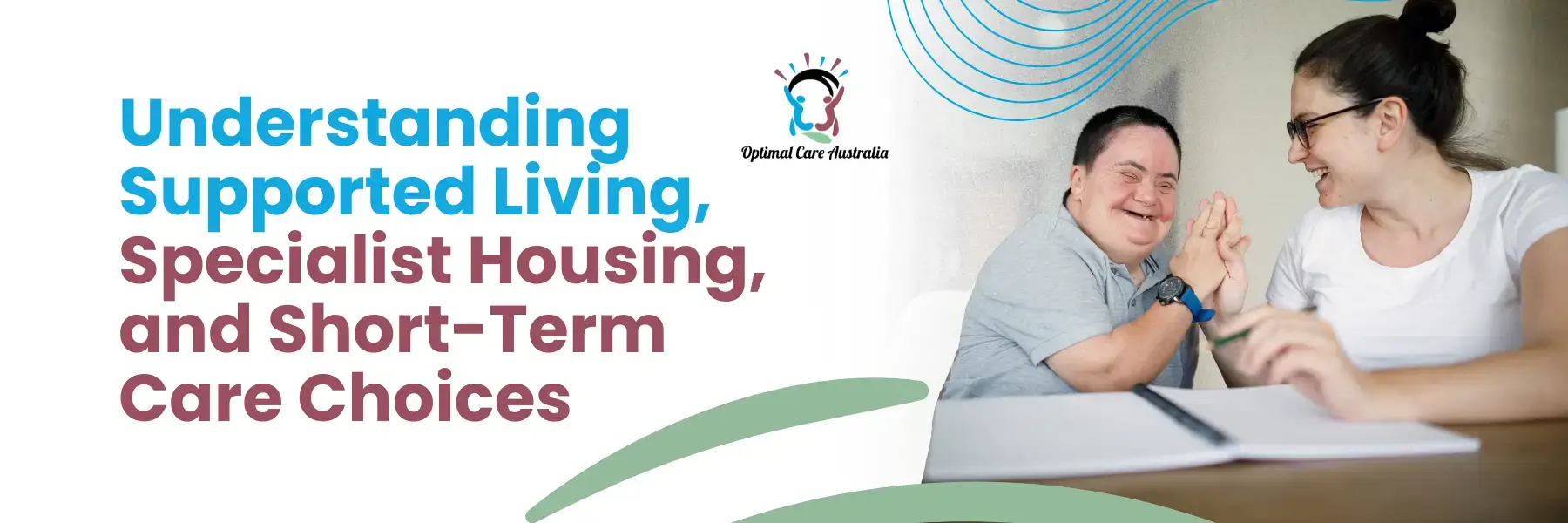
Supported Independent Living, sometimes known as SIL, is the help you get to regulate everyday life while living in your own house or a shared living arrangement. SIL does not pay for the property. It pays for the supports that let you live as independently as feasible.
Personal care, cuisine, cleaning, medicine management, and establishing daily habits can all benefit from SIL support. Based on your needs, support might be offered on a 24-hour basis or during particular times of the day.
SIL gives several Australians confidence and stability. You are encouraged to make judgments about your day, but you are also given trustworthy help when jobs become difficult. Eventually, this can help you to develop better abilities, more efficient habits, and more authority over daily life.
SIL can be especially helpful if you need ongoing assistance but still wish to reside in a home setting that feels intimate and familiar. It lets you concentrate on what’s most important to you, whether that is relationships, work, interests or personal development.
Specialist Disability Accommodation (SDA): A Residence Constructed With Accessibility in Mind
Although SIL emphasises on support services, SDA concentrates on the physical design of the home.
Designed for a smaller number of NDIS users with extremely high support requirements or severe functional impairment, SDA These houses are either especially adapted or built to increase accessibility, safety and comfort. Features can include accessible bathrooms and kitchens, step-free entry, larger doorways, and designs lowering the need for physical aid.
Daily life can be much improved by residing in a house created around your demands. Tasks once considered difficult or hazardous could get simpler and more manageable. The right setting helps to support more independence inside the home, lowers risk of injury, and reduces physical stress.
It should be clear that SDA funds exclude daily assistance or personal care. Many SDA inhabitants also get SIL or other help to help with everyday tasks.
Simply put, SDA gives the right home; SIL or other supports enable you to live well inside of that home.
Short-Term Lodging and Respite: Help During Transitions
Life does not always go as planned; occasionally long-term housing takes first consideration. Often known as respite, short-term lodging serves a vital function among NDIS Housing supports.
In cases like giving family carers a respite, helping to recover following a hospital visit, or aiding during changes between living arrangements, respite offers temporary accommodation and assistance. These brief trips provide stability, care, and structure during times of transition.
For many Australians, rest provides more than just a room to reside. It gives emotional relief, fresh vitality, and comfort that help is accessible in changing conditions. It also offers a great chance to explore many living situations prior to deciding on permanent ones.
How NDIS Housing Possibilities Interact
NDIS housing assistance are not universal. Many individuals choose a mix of alternatives based on their needs and objectives. You could live in SDA and get SIL help or you could get SIL while living in private rental housing or with relatives. During times of change, short-term lodging can go hand in hand with these choices.
The NDIS’s flexibility gives it its strength. As your situation develops, your housing and support systems can change. By acknowledging that needs, aspirations and aptitudes are not fixed, this strategy advances long-term well-being.
How NDIS Housing Affects Daily Life
Right NDIS housing can significantly change daily life. Daily activities become less stressful and more doable when your house and supports match your needs.
Improved independence, greater home safety, and more confidence handling daily routines are among the possible advantages. Reducing environmental obstacles and fostering a feeling of security, good housing can also help to improve mental and physical health.
Importantly, NDIS Housing can open doors to more community participation. Participating in work, study, volunteerism, or social activities gets easier with the appropriate supports in place. This feeling of connection is essential for general quality of life.
Selecting the Appropriate Future Path
Knowing NDIS Especially when decisions have a direct effect on daily life and long-term independence, housing possibilities can feel complicated. The procedure becomes far more manageable with clear information, meticulous planning, and the appropriate support.
Your house choices should mirror your ambitions, preferences, and support needs. Rather than a source of instability, NDIS Housing may turn to a basis for stability, confidence, and personal development with the right direction.
Best Care Australia helps Australians negotiate NDIS Housing with clarity and confidence. The right living and support systems can foster a life that feels safer, more independent, and more meaningful by concentrating on individual needs and daily well-being.