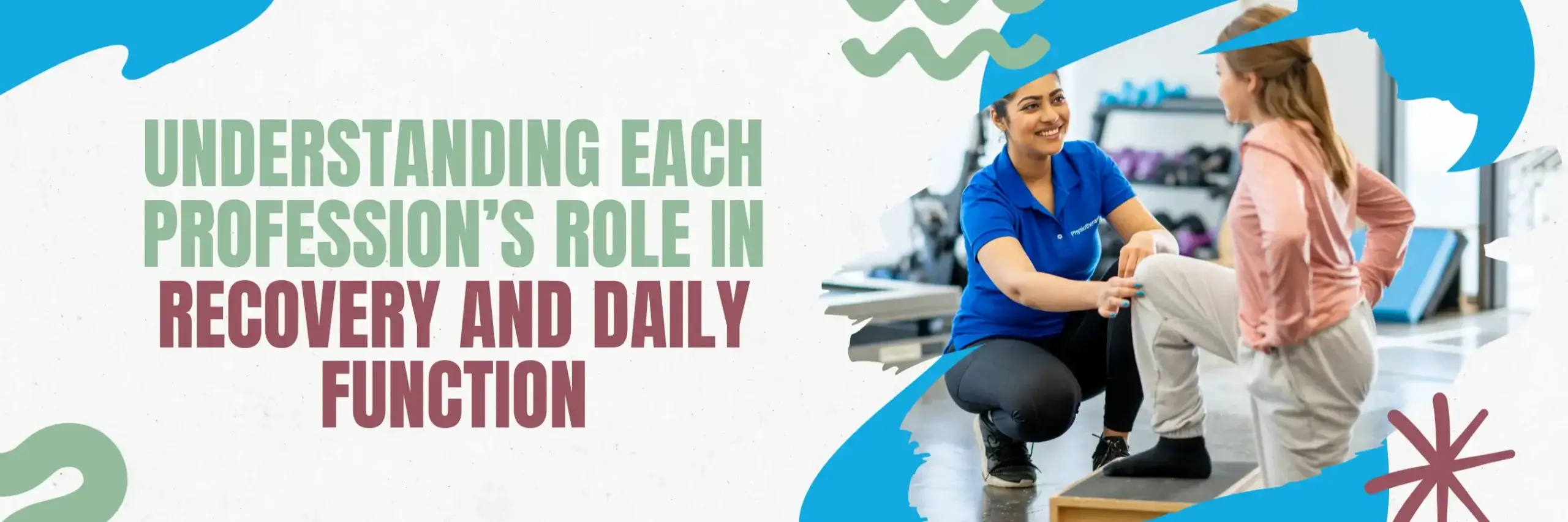
Deciding to see an Exercise Physiologist (EP) is a leap that takes deep courage, as it is a big decision to make. Whether you went through an injury and you are on your goal to rehabilitation, manage a chronic disease, or just want to live healthier and more fit, seeing an EP is vital and a key to success.
But as a first timer on this kind of journey, how do you select one? What are the considerations and expectations? Here is a guide for you on what to expect, ask, and how you can be secured in choosing your EP here in Australia.
What is an Exercise Physiologist?
First, let’s be clear on what an Exercise Physiologist does, and how that compares with other health professionals.
An EP is an allied health professional who has a university degree in exercise science or clinical exercise physiology. Their role is to prescribe and deliver exercise programs that are safe, evidence-based and individualised to people with a particular health condition, injury, disability, or complex medical need.
Unlike a gym trainer, who may be more concerned with workouts and body fitness, an EP will take into account your medical background, your overall long-term health, lifestyle, mobility, and possibly underlying conditions. They don’t diagnose diseases, that’s up to doctors or physiotherapists, but when there is one, they utilise exercise as their primary instrument.
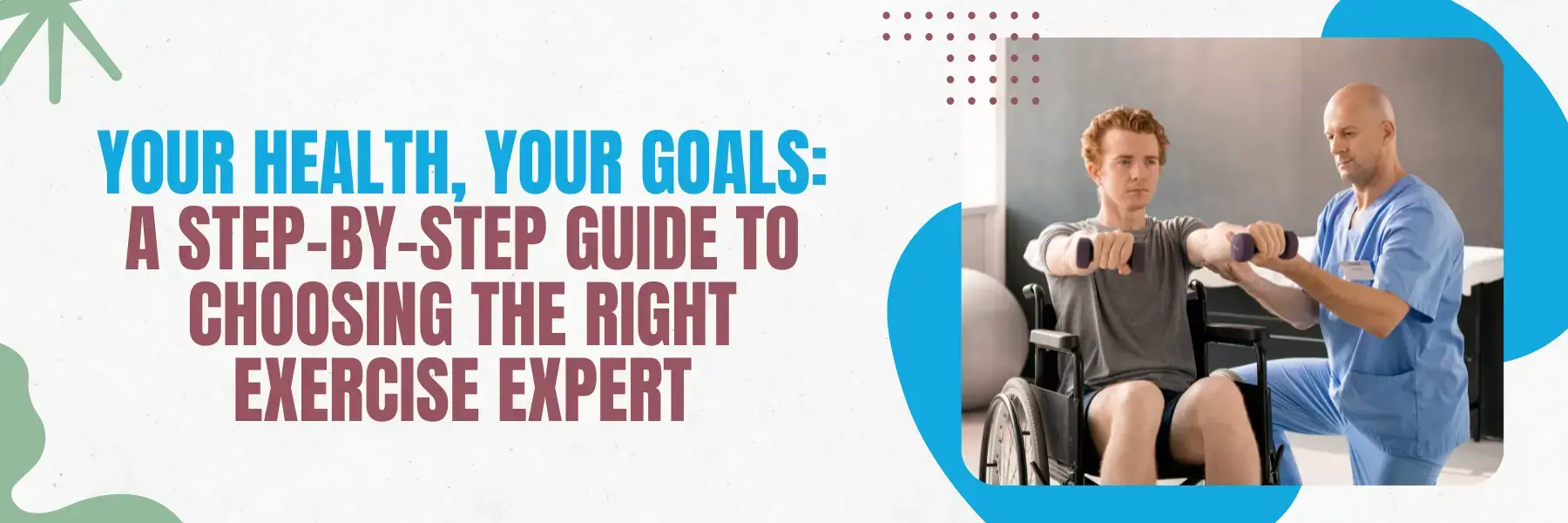 Most important considerations when selecting the ideal EP
These are the key things to check or ask. Take this as your shortlist when you interview or meet prospective EPs.
Qualifications and accreditation
- Make sure the EP is Accredited with Exercise & Sports Science Australia (ESSA). It’s the national governing body that sets standards, monitors ongoing professional development, and has credibility.
- Make sure they have a relevant university qualification in clinical exercise physiology or a similar field.
Relevant experience / specialisation
- Your goal or condition does make a difference. If you have, for instance, diabetes, arthritis, heart disease, surgery or injury recovery, neurological condition, or even mental-health issues, you’ll want someone who has worked with clients like that.
- Ask how long they’ve been working in those domains and what outcomes they’ve achieved.
Approach & philosophy
- Do they discuss you first: your background, your goals, your issues? Or do they attempt to shoehorn in a generic program? A good EP will make the plan individualised.
- Do they employ evidence-based practices? Are they current with research? You could ask what literature or guidelines guide their programs.
- How do they track progress and modify the plan over time?
Collaboration with other practitioners
- Especially if you have a health condition, or injuries, or more than one issue (mobility, pain, way of life), it is a plus if the EP operates in collaboration with your GP, specialist, physiotherapist, or other allied health professionals.
- If something comes up regardless (e.g. pain gets worse, unanticipated symptoms), you want someone who will send you elsewhere when necessary.
Practical considerations: where, expense and accessibility
- Is the clinic easily accessed? Is there parking, or public transport available?
- Do they do telehealth or home-visits if mobility is a problem?
- How much is per session? Are there packages offered? Does your private health insurance pay for any part? Are you eligible under Medicare (for instance through a GP-managed care plan) or NDIS or other plans?
- Availability: how frequently are you able to see them? Evening/weekend availability? How much in advance do you have to book?
Communication style and rapport
- This is underrated. You’ll be more effective if you feel understood, heard, and at ease. Trust your instincts: did they get what was important to you? Did they explain it in terms you could grasp?
- Also review how they define risk, safety, and what to do if something doesn’t seem right while taking your program.
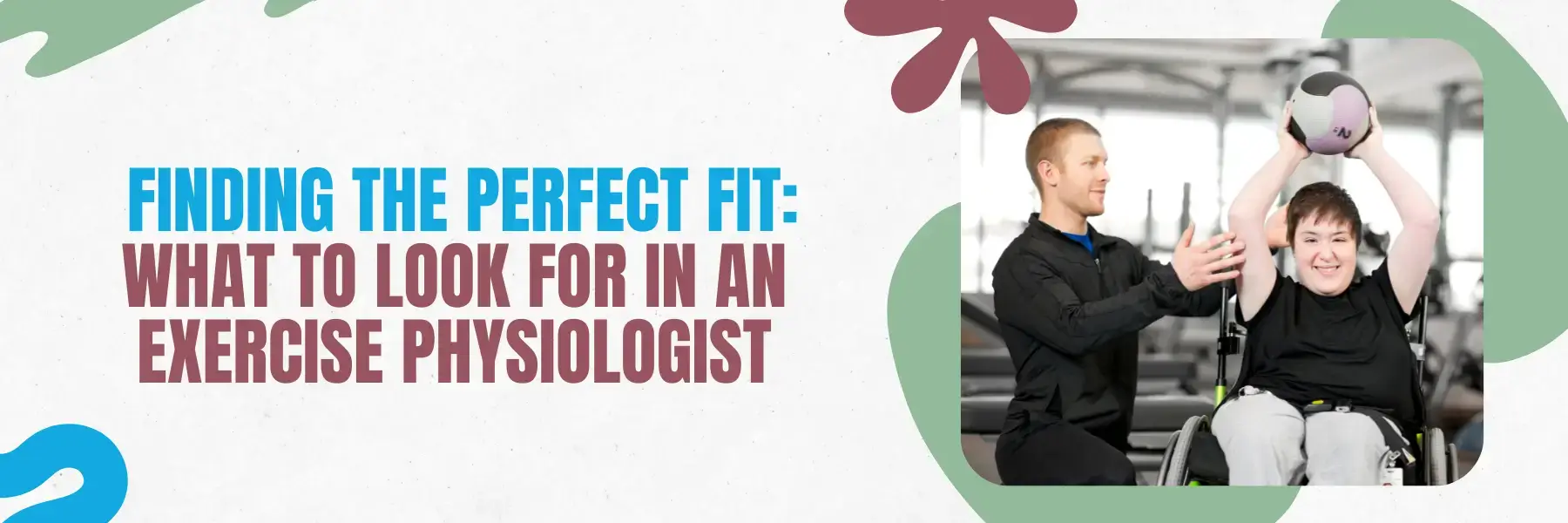 Questions to ask to make your decision clearer
Before you enroll, here are some questions you might ask, either over the phone or at a consultation:
- What type of results have you assisted other clients with conditions such as mine attain?
- How do you monitor progress and how regularly do you check the plan?
- What do I do if I have pain or a setback during the program?
- What is covered in session costs (assessment, follow-ups, changes)?
- Can you collaborate with my GP / consultant / other health professionals?
- How much time must I commit (sessions per week, work at home)?
- What are your credentials (degree, ESSA accreditation)?
These questions enable you to view whether the EP is qualified, realistic, and appropriate for your case.
When is an EP especially useful?
You will likely benefit a lot from an EP if any of the following apply:
- You’re managing, or looking to prevent, chronic health conditions, such as diabetes, cardiovascular disease, arthritis or osteoporosis.
- You’re in rehabilitation post-injury or surgery.
- You have mobility, balance, or neurological challenges.
- You want to improve long-term physical capacity or quality of life, not just short-term fitness.
- You need lifestyle support: not merely exercise, but incorporating safer movement, sustainable behaviors, activity modification, maybe weight control.
Even if you’re fairly healthy and simply desire improved fitness, performance, or injury avoidance, an EP’s knowledge can assist you in staying safe, not overdoing it, and not causing harm, and in building things up appropriately.
What to anticipate on your first visit
When you schedule your initial consultation with an Exercise Physiologist, anticipate the following:
Take a thorough health history: They will inquire about your medical conditions, previous injury, medications, activity level, sleep, pain, goals, lifestyle.
Conduct assessments: movement, strength, perhaps tests of cardiovascular fitness, balance or mobility based on your goals.
Discuss your goals: what you desire, what is feasible, what schedule fits you.
Create a customised program: This may consist of in-clinic supervised sessions, home exercises, perhaps virtual/telehealth components.
Discuss safety: what to do if you feel pain, what to look out for.
Plan for follow-ups and modifications: as your body changes, they’ll modify exercises, intensity, frequency.
Putting this into practice
So, you’ve got your criteria, you’ve asked the questions, you’ve narrowed it down between a few EPs. How do you make the decision?
Compare a few options: qualifications, price, convenience, rapport.
Review or ask for referrals: ask someone else who has had EP services if they felt heard and if things improved.
Give it a trial run: try one or two sessions. How do you feel? Did the EP clarify things well? Were the exercises sensible? Did you feel better on your own?
Be realistic: change takes time. Ensure the EP sets measurable goals that are achievable and that are tweaked along the way.
Conclusion
Selecting the appropriate Exercise Physiologist can be a critical deciding factor in reaching your health, recovery or fitness objectives. By getting them the right qualifications, having experience within your area of requirement, shared goals, being accessible, and someone you think you can potentially work with, you stand the best chance of succeeding.
If you’re willing to take that first step, our staff at Optimal Care Australia would be more than happy to assist you. We have experienced, ESSA-registered Exercise Physiologists skilled in a variety of conditions and objectives. We are all about what you want, assisting in building strength, mobility, health and wellbeing in a way that lasts. Contact us today to get started.