
Having anxiety, facing too much stress, and struggling with past trauma have been a widely spread concern in the society today. Whether adults, or young people faces such psychological issue that sometimes too much to bear.
These challenges have become common, and honestly, you are not alone.
Regardless of age, background, or career, you are not excuse to experiencing this hurdles in life. In Australia, mental health is being prioritised. Having said this, more people become braver to speak about this issue, and seek help.
In this article you’ll see proven effective methods to help you get out of this crucial state, and experience relief, and assistance that will change your life. This provides steps to knowing the therapeutic support that might be beneficial to you, and help you be in control again with your emotional and mental wellbeing.
Understanding Anxiety, Stress, and Trauma
Anxiety is more than being worried not meeting your deadlines at work, or nervous about a presentation, today, it’s the constant fear or the feeling of being “on the edge” that sometimes makes you feel uncertain as well of what you exactly feels. It is often accompanied by your heart racing, palms sweating, and sometimes the feeling of losing your breath, or fainting. Sad reality of anxiety, it goes on and on, same feeling that sometimes it doesn’t end.
Stress, on the other hand, is the normal response of your body to tension or pressure. This if not managed well causes you to loose appetite, difficulty in focusing, and affecting your sleep. Chronic stress can even affect your immune system and overall health in the long run.
Trauma is slightly different and runs far more deep than most people realise. It’s part of your past. It refers to the physical and emotional impact of something very scary or disturbing occurring. It’s a one-off event, like a car accident, or repeated events over time. Trauma tends to make someone feel unsafe, disconnected, or triggered easily, years later from the original thing.
These are common overlap experiences. An individual with trauma can have anxiety and stress as well. Thankfully, with the right support from therapy, there is an answer.
While reading this, have you considered any of this that you might currently experiencing?
 What is Therapeutic support?
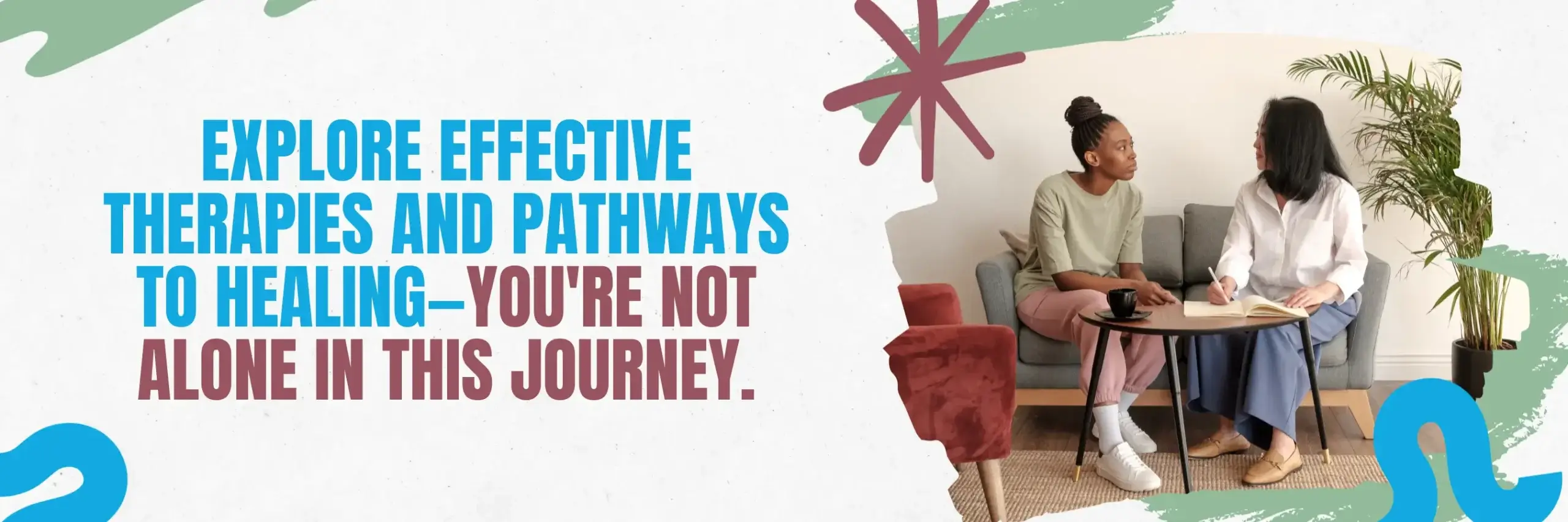
Therapeutic support is the catch-all for things which will assist in improving your emotional, mental, and sometimes physical well-being by way of guided, evidence-based strategies. It’s not about quick fix-it jobs, but more about establishing a safe, supportive environment where you can explore what is happening for you and learn how to cope with it.
Depending on your situation, therapeutic support could be:
Counseling – an intentional and deep talk with a professional therapist. This helps you get through your feelings, thoughts or emotions one by one, and helping you learn how to cope with every tension.
Cognitive behaviour therapy (CBT) – an approach that helps you recognise how certain feelings, thoughts, or actions are deeply connected, and how to change action partterns that are no longer beneficial to you.
Exposure therapy – done in a safe space wherein you get to open yourself deeply in a distressing kind that helps you remove your fears gradually.
Eye Movement Desensitisation and Reprocessing (EMDR) – a more specialised method designed to reduce stress caused by traumas.
Mindfulness-based methods – techniques that consist of keeping a present and grounded attention, which can help in calming runaway thoughts.
Why getting help sooner is necessary?
When you overlook stress, anxiety and trauma, it will eventually leak in every aspect of your life like work, relationships and even physical health. You might notice you will be triggered with the little things, and you start feeling the world is shrinking around you.
Seeking help is a game-changer. Seeking professional help doesn’t mean you are crazy, it just mean you need support. Here’s how therapeutic support can help you:
- Manage symptoms before they escalate
- Improve relationships with others
- Reclaim control and independence
- Develop a buffer against the trials ahead
Accessing Therapeutic Assistance in Australia
It is intimidating initially to locate appropriate therapeutic assistance in Australia but having an awareness of the available options makes it less so.
- GP referrals – Connecting with your GP is your starting point to get better. Thy will provide you with a mental health care plan that will make you eligible for Medicare rebates even for few sessions.
- NDIS support – If you happen to have a psychosocial disability, you are also eligible to receive therepeautic support from NDIS.
- Private services – You are free to see psychologists, counsellors, or therapist even without a referral. So if you think you need therapeutic support, don’t wait and reach out as soon as you can.
- Community-based services – There are low-cost or no-cost therapy services, you just have to check in your community especially if your funds are limited.
When selecting a provider, take note of their qualifications, experience addressing your particular issues, and whether you feel at ease conversing with them. That ease is important – you should feel heard, understood, and supported.
Getting The Best of Your Support
Therapy support is most effective when it’s personalised to you. Discuss openly with your provider what’s going right and what’s not. Don’t forget, also, that growth is a slow process, some days will be better than others, and that’s okay. And little progress, is still progress.
You can continue your therapy outside of sessions by:
- Practising skills learned in therapy
- Maintaining a journal to monitor your progress and triggers
- Stay accountable and connect with family and friends so they can continually support you
- Commit to a healthy lifestyle like good food diet, regular exercise, and protecting your peace of mind
Remember that, small actions done regularly will make an impact in your mental health. Even 5-10 minutes walk in the morning can change the course of your day.
Breaking the stigma
One of the largest obstacles in Australia to receiving help is that there is so much stigma around mental health. But needing help isn’t weak, and again, it doesn’t mean you are crazy, it’s a brave step towards being stronger and healthier, not only for your family but yourself first and foremost.
The more openly we discuss mental health, the less unusual it becomes for others to get help without fear of judgment. It’s also worth remembering that you don’t need to wait until a crisis before calling. A lot of Australians find it useful to access therapeutic help when they first notice changes in their mood or thoughts before larger challenges arise down the track.
Conclusion
If you feel like you’re experiencing trauma, stress, or anxiety and living with it, you don’t have to hide it, and isolate yourself. Make this issues come out to the open so it will no longer take your life away from the life.
The path forward starts with a conversation, one that can lead to solutions, understanding, and a new sense of hope.
Here at Optimal Care Australia, we provide compassionate, professional therapeutic treatment to address your unique needs. We work with you, understanding your strengths, showing you the skills to cope with the challenges of life and move forward towards the future you desire. When you are ready, we’ll listen, support, and walk with you every step of the way.